
Farm on Ogden — Greenhouse Productivity Review
A comprehensive operational and design assessment supporting one of Chicago’s premier urban agriculture campuses.
The Opportunity
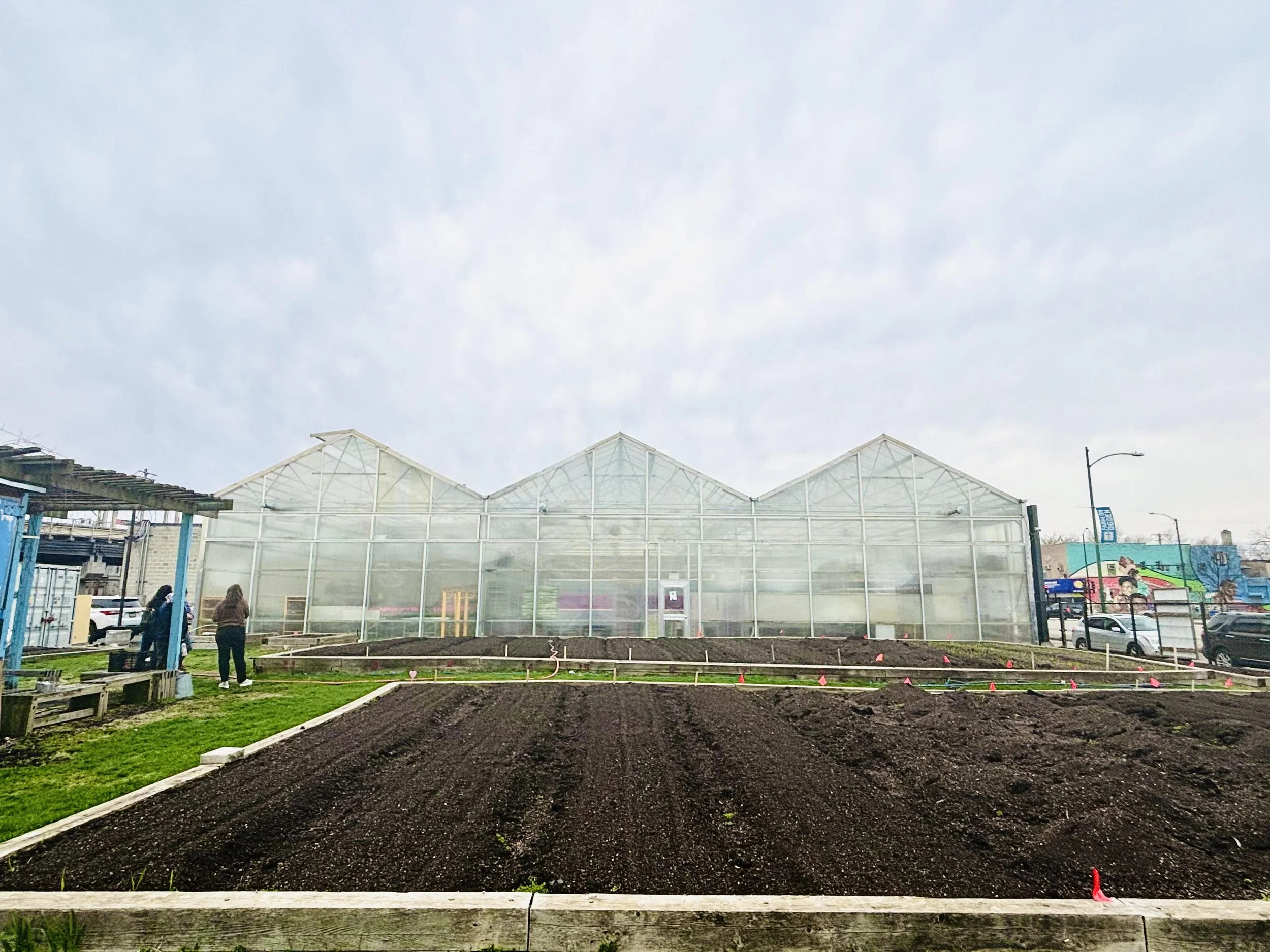
Farm on Ogden (FOO), operated by Windy City Harvest through the Chicago Botanic Garden, is one of the city’s most important hubs for urban agriculture, community programming, and workforce development.
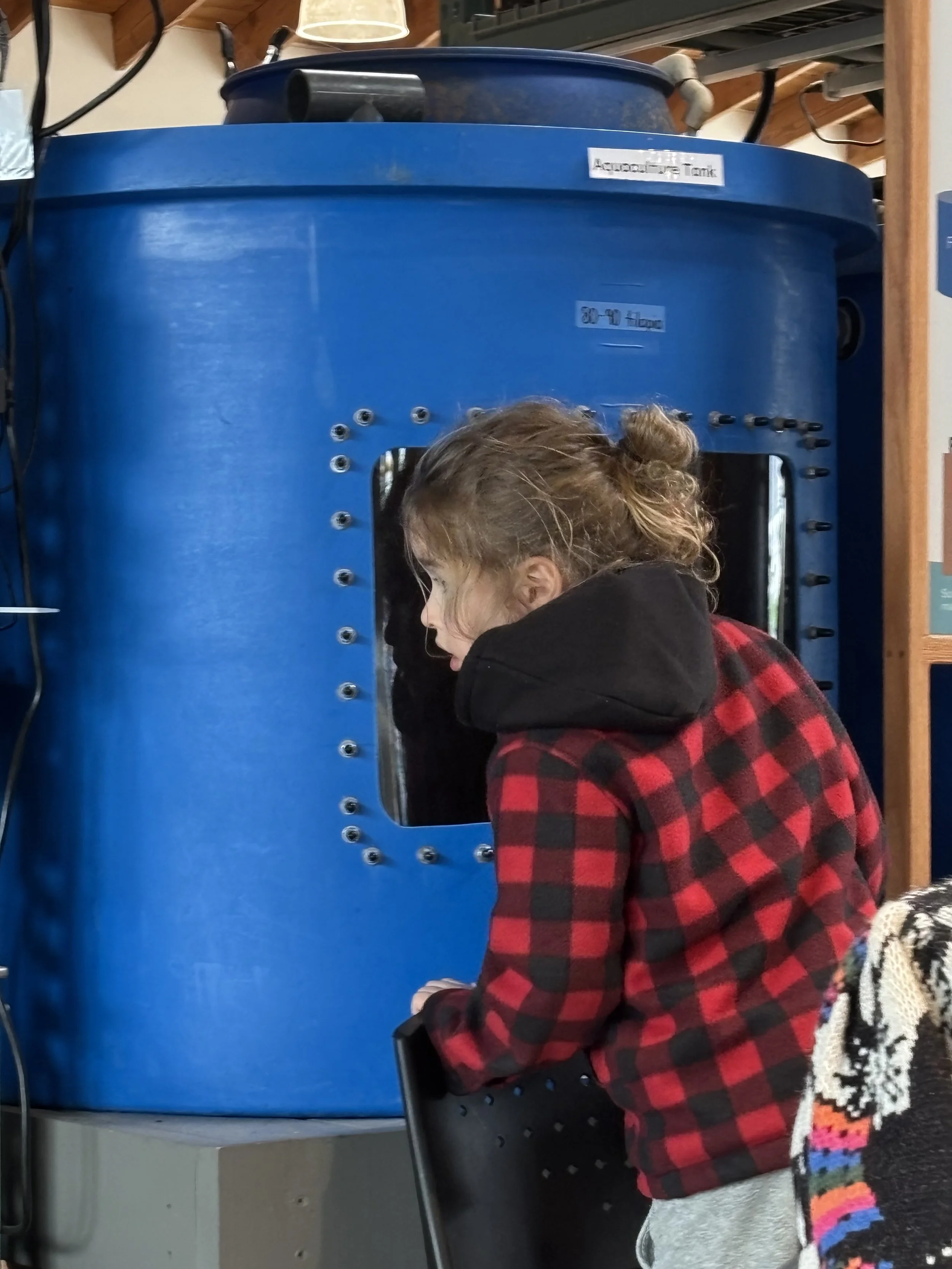
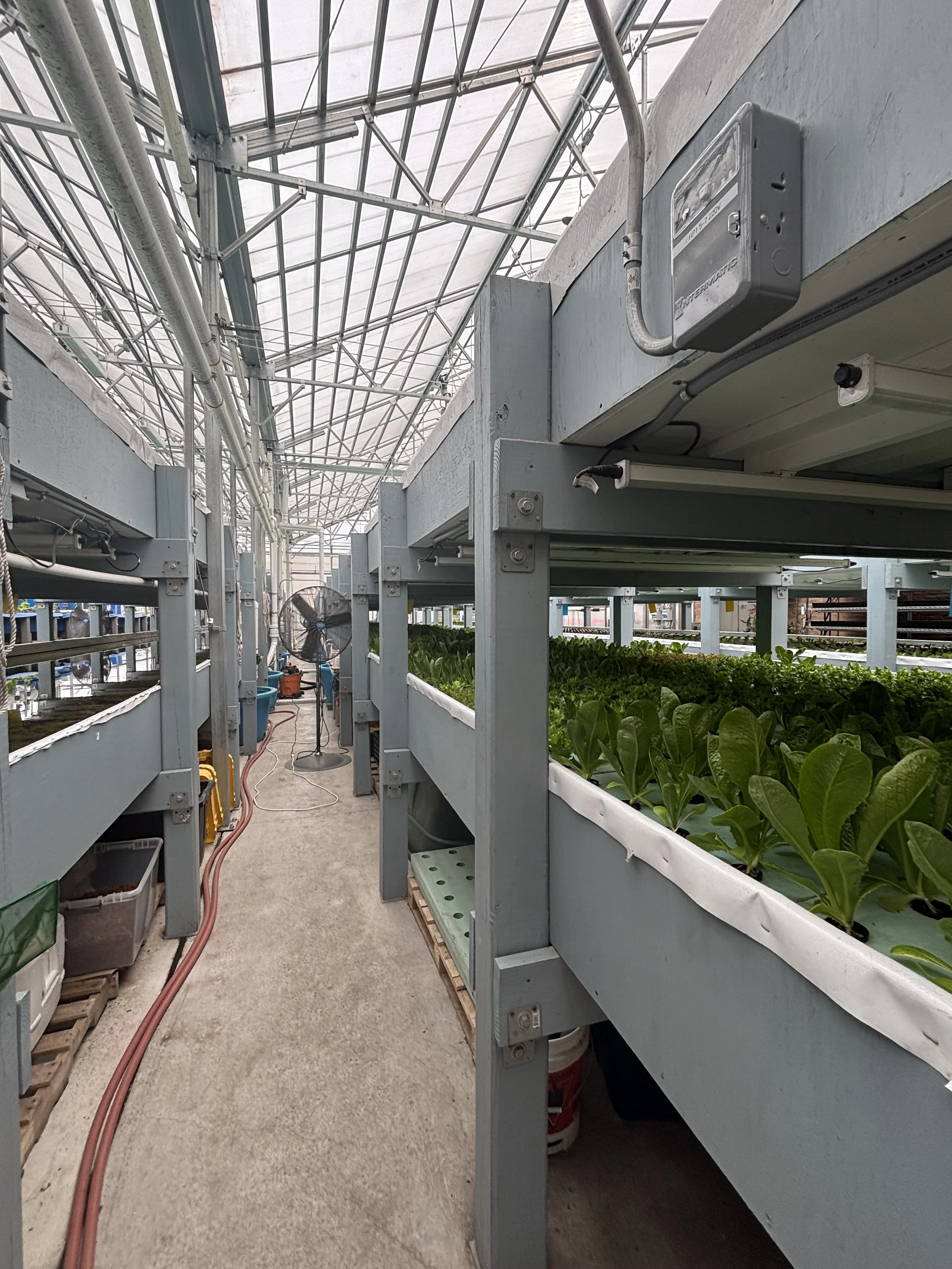
However, their existing aquaponics greenhouse was facing operational challenges, inconsistent productivity, and infrastructure limitations—as documented in FTP’s assessment of current conditions, labor gaps, and inefficiencies.
FOO needed a clear, strategic roadmap to understand:
What was possible within their existing systems
What improvements could meaningfully enhance production
What long-term capital investments would be most impactful
How to align agricultural output, education, and community goals
Freight to Plate was engaged to evaluate the full greenhouse environment and provide actionable, expert recommendations.
Our Approach
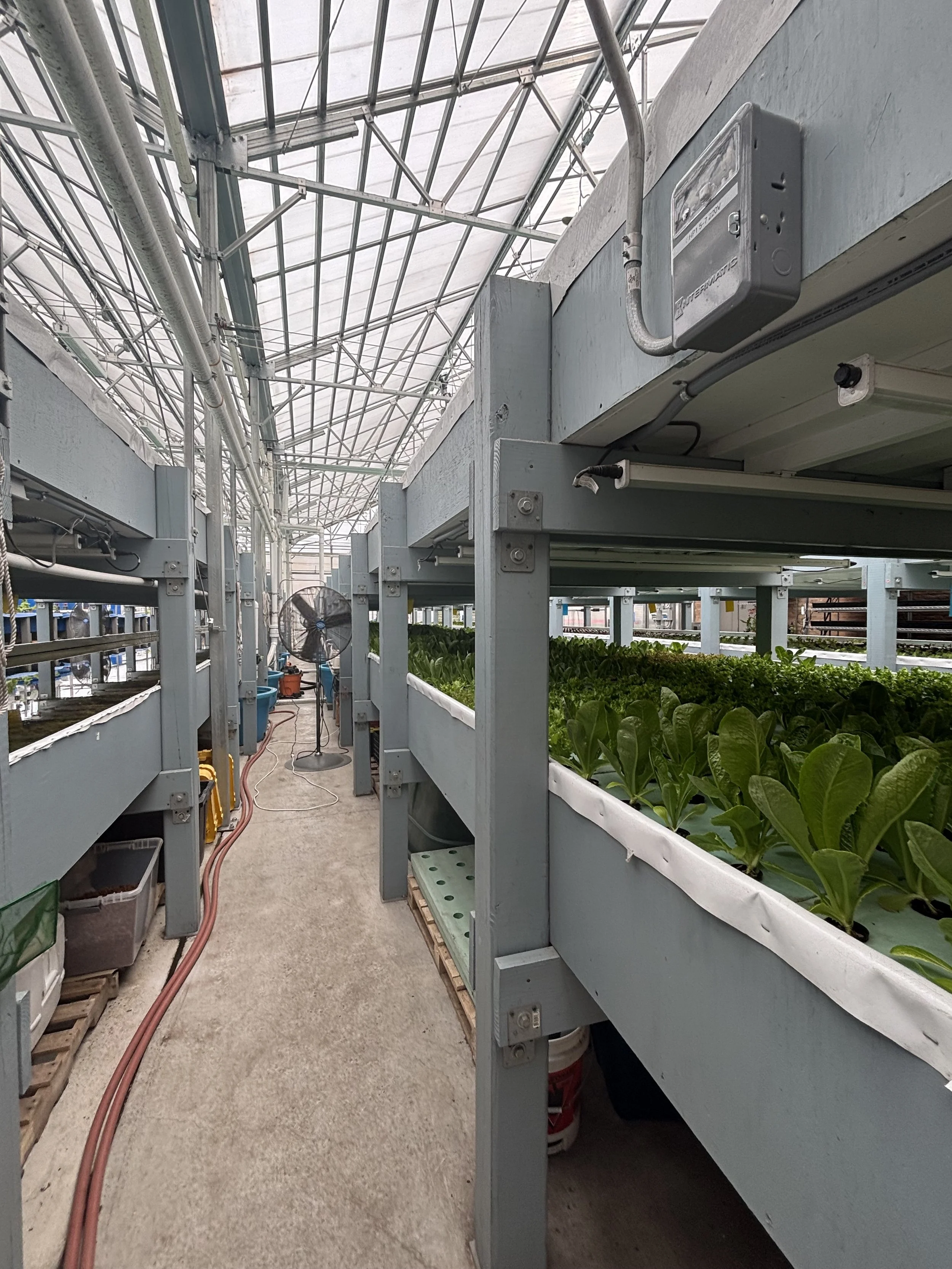
Freight to Plate conducted a comprehensive, multi-layered assessment of FOO’s greenhouse systems, workflows, production potential, and labor structure, culminating in a detailed 119-page report.
Our work included:
1. Full Facility Analysis
Aquaponics, hydroponics, nursery, and propagation systems
Environmental controls, lighting, workflow, and spatial planning
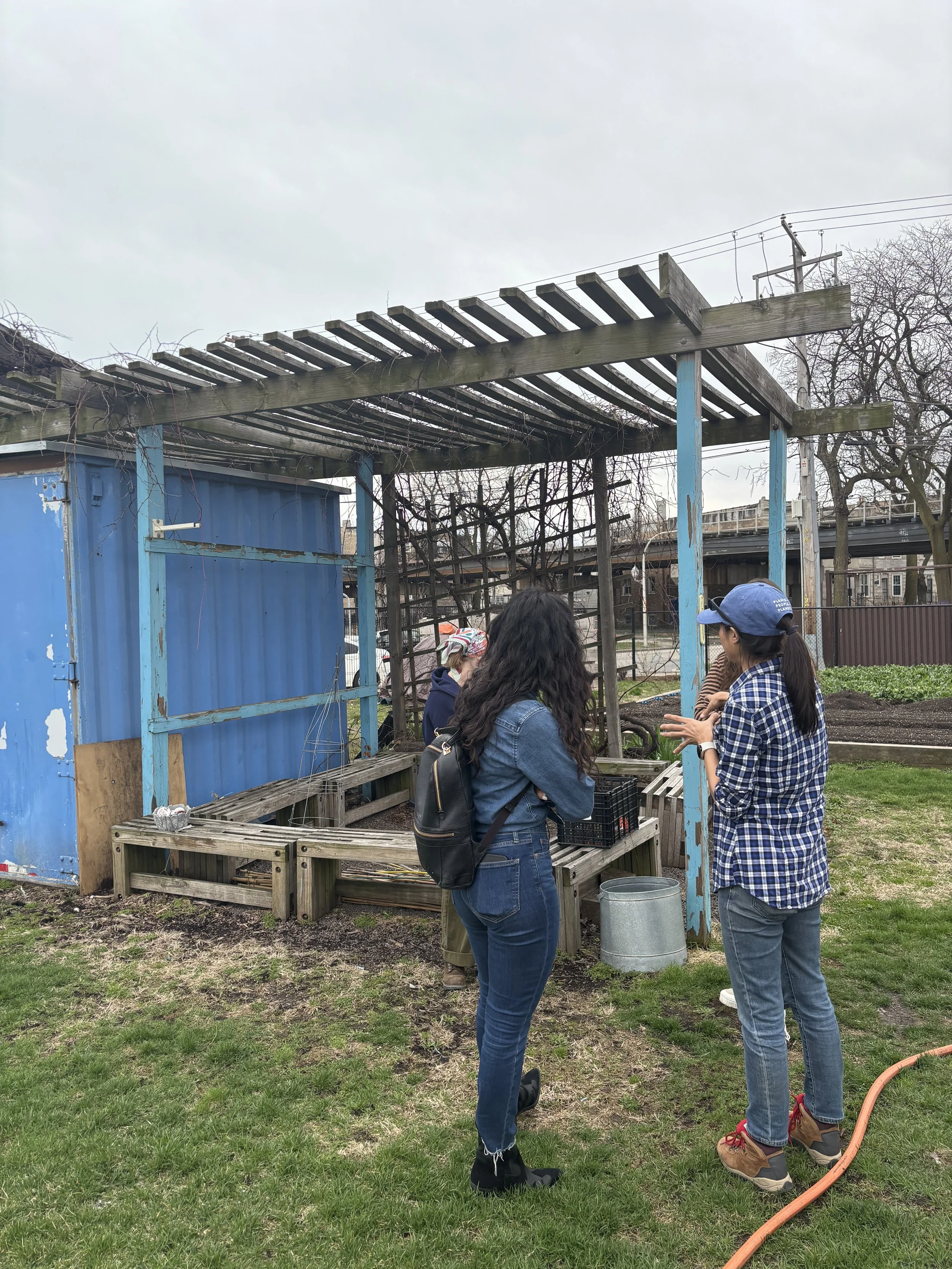
Outdoor growing space evaluation
2. Good–Better–Best Design Scenarios
FTP created three strategic redesign pathways, each with its own infrastructure needs, production potential, labor model, and capital implications:
Good – Aquaponics Evolution
Essential upgrades to improve safety, monitoring, reliability, and operational consistency while retaining the current system layout.Better – Urban Cultivation Hub
A shift toward hydroponics to streamline operations, increase consistency, improve visitor flow, and enhance education.Best – Vertical Harvest Innovation
A full greenhouse transformation into a modern vertical hydroponic production environment, increasing output to 15,000–25,000 plants and amplifying workforce development capacity.
3. Labor Model Redesign
FTP documented staffing gaps, clarified role responsibilities, and developed a structured labor model to support productivity, accountability, and efficient workflows.
4. Horticulture & Productivity Evaluation
We identified nutrient imbalance risks, lighting inefficiencies, production bottlenecks, and opportunities for improved contamination control, pest management, and space utilization.
5. Data Strategy Development
FTP designed a digital monitoring and data-tracking strategy (“System Brain”) to unify crop metrics, aquaponics data, environmental readings, and maintenance logs—supporting predictive maintenance and transparency for funders and the community.
6. Community & Educational Integration
We identified opportunities for new visitor pathways, signage, learning stations, and apprentice engagement to enhance FOO’s role as a public-facing educational asset.
So fresh. So clean. So green.
The Impact
Freight to Plate’s recommendations provided:
A clear roadmap for greenhouse revitalization, grounded in realistic costs, timelines, and operational needs
Strategic direction for transitioning from a complex aquaponics-first model to a more resilient, productivity-focused hydroponics system
Increased clarity on staffing structures, training needs, and operational accountability
New opportunities for visitor engagement and community programming
A structured approach to data-driven decision-making, maintenance, and system risk mitigation
A foundation supporting FOO’s long-term vision for food production, public education, and workforce development
This consulting engagement positions Farm on Ogden to make strategic, mission-aligned investments that strengthen both productivity and community impact.



FAQs
-
FOO needed a partner who understood urban agriculture systems, youth and community programming, and technical greenhouse design. Freight to Plate offered the interdisciplinary expertise required to assess, redesign, and strategically position the greenhouse for long-term sustainability.
-
FTP identified systemic issues across nutrient management, lighting, airflow, contamination risks, data fragmentation, and operational inefficiencies that directly impacted yield and workflow. These findings came from detailed horticultural and labor assessments within the report.
-
As a complex aquaponics-first facility with multiple community-facing programs, FOO needed an objective, holistic assessment to understand why productivity, reliability, and usability had become inconsistent.
Freight to Plate provided a fresh technical lens, identifying operational friction points, staffing gaps, and system limitations—offering clarity and strategic direction that internal teams could not fully capture from within the system.